If you’re shopping for a 450W solar panel, you’re already in a sweet spot: high output per module without jumping into the oversized, harder-to-handle “utility” class panels. What’s making this category even more interesting is newer cell technology—especially HJT (Heterojunction Technology)—which can deliver better real-world energy yield in heat and low light than many older module designs.
In this guide, we’ll break down what a 450W HJT 88 half-cell solar panel actually is, who it’s best for, and how to decide if a model like the Resco REC450AA PURE-RX 450W HJT (Black/Black, 1000V) is the right fit for your project.
Why 450W Solar Panels Are So Popular Right Now
A 450W solar module gives you strong production per panel while keeping system design flexible:
-
Fewer panels to reach your target system size (vs. 350–400W modules)
-
Great for residential rooftops where space is limited
-
Useful for small commercial rooftops and canopies
-
Easier to plan around common inverter string ranges compared to very large-format panels
In plain terms: 450W panels often hit the best balance of output, handling, and compatibility.
What Is an HJT Solar Panel (And Why It Matters)?
HJT (Heterojunction Technology) combines crystalline silicon with thin layers that help reduce energy losses inside the cell. The practical benefits you’ll notice most:
Better performance in hot climates
Solar panels lose efficiency as temperatures rise. HJT modules are widely chosen because they tend to perform more efficiently under high heat, which can increase total energy production over time—especially for rooftop arrays that run warm.
Stronger low-light response
Morning, late afternoon, hazy days—HJT designs are often favored for improved output when sunlight isn’t perfect.
A premium choice for long-term yield
If your priority is maximizing lifetime production (not only upfront cost), HJT is a strong contender.
What Does “88 Half-Cell” Mean?
The Resco REC450AA PURE-RX uses an 88 half-cell architecture. “Half-cell” modules split traditional cells into smaller segments, which generally helps by:
-
Reducing electrical resistance inside the panel
-
Improving performance under partial shade (like vents, chimneys, trees, or parapets)
-
Increasing reliability because the panel runs more efficiently under varying conditions
Half-cell layouts are now common in modern high-output modules because they’re a practical upgrade over older full-cell designs.
Resco REC450AA PURE-RX 450W: What It Is
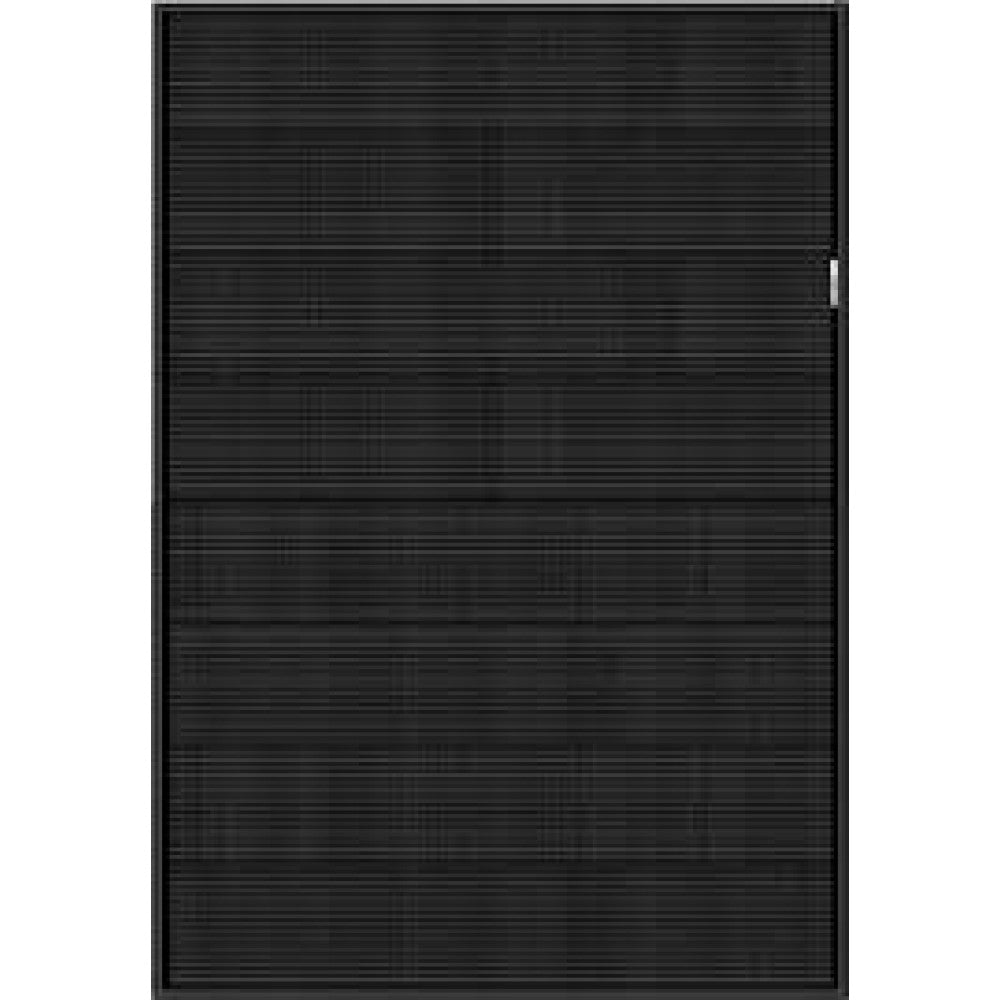
The Resco REC450AA PURE-RX 450W is a high-output HJT solar module designed for rooftop and commercial arrays that want modern cell tech and strong aesthetics.
Key identifiers you’ll see in the name:
-
450W: high power per panel
-
HJT: premium cell technology aimed at better real-world yield
-
88 HC (half-cell): efficiency and shade resilience benefits
-
1000V: suitable for common array configurations using standard system voltages
-
BLK/BLK: black frame + black backsheet for a sleek, uniform look
View the Resco REC450AA PURE-RX 450W HJT panel” https://www.tecisoft.com/products/resco-rec450aa-450w-hjt-solar-panel-black-black
Who Is This Panel For?
Homeowners who want maximum production per panel
If roof space is limited, a 450W HJT solar panel helps you reach your system size with fewer modules—often simplifying layout and leaving room for setbacks.
Installers and integrators building premium rooftop systems
HJT + half-cell design is a great fit when customers care about long-term performance, especially in warm climates.
Small businesses and commercial rooftops
For light commercial arrays, 450W panels can optimize roof area and reduce balance-of-system components compared to lower-wattage modules.
Off-grid and hybrid systems (solar + battery)
High-output modules make it easier to build a robust array for battery charging—especially helpful when you want strong production windows.
450W vs 500W+ Panels: Which Should You Choose?
Choose 450W when:
-
You’re building a rooftop system and want flexible placement
-
You want high output without very large-format modules
-
You want easier handling and more layout options for vents, dormers, and setbacks
Choose 500W+ when:
-
You’re doing ground mount or larger commercial installs
-
You want to minimize racking/clamps per watt (often fewer modules overall)
-
You have the space and logistics to handle larger module sizes
For many rooftop projects, 450W is the “most practical high-output” tier.
Design Checklist Before You Buy (Quick Wins)
Before committing to any panel model (including the REC450AA), confirm these items:
-
Dimensions & weight (fit and handling)
-
Inverter compatibility (string voltage/current ranges)
-
Mounting hardware (rail spacing + clamp compatibility)
-
Local code requirements (setbacks, fire access pathways)
-
Aesthetics (black-on-black vs silver frame)
-
Warranty terms (product + performance coverage)
Why “Black-on-Black” Matters for Rooftops
A black frame/black backsheet panel gives a cleaner, more uniform appearance—especially on dark shingles or modern metal roofs. For homeowners and storefront installs, aesthetics can be a deciding factor, and BLK/BLK modules tend to look more “premium” from the street.
Final Takeaway: When the Resco REC450AA Makes the Most Sense
Choose the Resco REC450AA PURE-RX 450W HJT 88 half-cell (1000V, BLK/BLK) if you want:
-
High output per panel (450W class)
-
Modern cell tech (HJT) for strong real-world performance
-
Better behavior in challenging conditions (heat/partial shade benefits)
-
A clean aesthetic (black-on-black) for rooftops and visible installs
FAQ: 450W HJT Solar Panels
1) Are HJT panels worth it compared to standard PERC panels?
Often yes if your priority is better real-world energy yield, especially in warm climates and variable light. If budget is the #1 driver, PERC may be cheaper, but HJT can win on performance.
2) Do half-cell panels really help with shade?
They can. Half-cell layouts often reduce losses and can improve output when partial shading affects part of the module—though avoiding shade is still the best approach.
3) What does 1000V rating mean for my installation?
It means the module is designed for use in arrays up to 1000V DC system voltage, which is common in many residential and commercial string designs. Your installer/inverter specs determine the final design.
4) Is 450W too much for residential rooftops?
Not at all. 450W panels are widely used on homes—especially when roof space is limited or the homeowner wants fewer panels for a clean layout.
5) Can I use a 450W HJT panel in an off-grid system with batteries?
Yes, as long as your charge controller, inverter, and battery bank are properly sized for the array voltage/current and your load requirements.