Case Study: The Impact of Efficient Cooling Systems on Data Center Operations
The relentless growth of data generation and consumption places immense pressure on data centers. Beyond the crucial aspects of storage and processing power, maintaining optimal operating temperatures is a constant battle. Inefficient cooling systems can lead to a cascade of problems, including equipment failure, increased energy consumption, and costly downtime. This case study examines how implementing an efficient cooling system significantly transformed the operations of a mid-sized data center, resulting in substantial cost savings and improved reliability.
"Tech Solutions Hub," a growing SaaS provider, operated a data center that had been struggling with outdated and inefficient cooling infrastructure. The legacy system relied on traditional Computer Room Air Conditioning (CRAC) units that consumed a significant portion of their energy budget and struggled to maintain consistent temperatures across the facility. This often led to:
- High Energy Bills: Cooling costs accounted for over 40% of their total energy expenditure.
- Temperature Fluctuations: Hot spots within the data center were a recurring issue, raising concerns about potential equipment damage and performance degradation.
- Frequent Maintenance: The aging CRAC units required frequent maintenance and repairs, leading to operational disruptions and added costs.
- Limited Scalability: The cooling system lacked the capacity to effectively handle future expansions without a major and expensive overhaul.
Recognizing these challenges, Tech Solutions Hub decided to invest in a comprehensive upgrade of their cooling infrastructure. After a thorough assessment of their needs and available technologies, they opted for a hybrid approach combining:
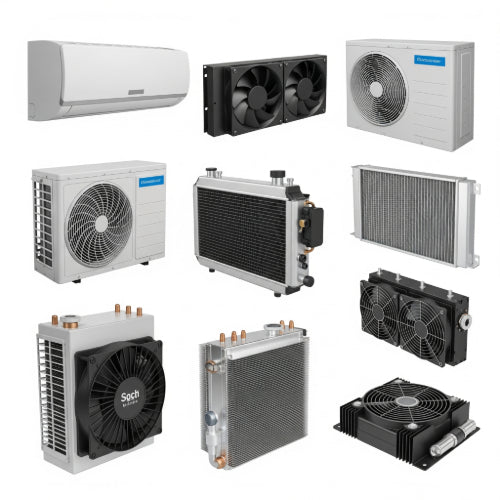
- Rear Door Heat Exchangers: These units directly cool the exhaust air from server racks, targeting heat at the source and reducing the overall cooling load on the room.
- Variable Frequency Drive (VFD) Enabled Chillers: New, energy-efficient chillers with VFDs allowed for precise adjustment of cooling output based on real-time demand, minimizing energy waste during periods of lower heat load.
- Improved Airflow Management: Implementing hot aisle/cold aisle containment strategies with physical barriers and blanking panels ensured that cool supply air was directed efficiently to equipment intakes and hot exhaust air was effectively contained and returned to the cooling units.
- Advanced Monitoring and Control System: A sophisticated system was deployed to provide real-time data on temperature, humidity, and cooling system performance, allowing for proactive adjustments and early detection of potential issues.
The Implementation and Results:
The implementation process was carefully planned and executed to minimize disruption to ongoing operations. The results following the upgrade were remarkable:
- Significant Energy Savings: Within the first year, Tech Solutions Hub reported a 35% reduction in their cooling energy consumption, translating to substantial cost savings and a lower carbon footprint.
- Stable and Consistent Temperatures: The new cooling system effectively eliminated hot spots and maintained a consistent temperature throughout the data center, significantly reducing the risk of equipment overheating and failure.
- Reduced Maintenance Costs: The modern and more reliable cooling equipment required less frequent maintenance, leading to lower operational expenses and reduced downtime.
- Enhanced Scalability: The modular design of the rear door heat exchangers and the increased efficiency of the chillers provided ample cooling capacity to support future expansions without the need for major infrastructure changes.
- Improved Equipment Lifespan: The stable thermal environment contributed to a longer lifespan for their IT equipment, further reducing long-term costs.
Key Takeaways:
The experience of Tech Solutions Hub highlights the critical impact of efficient cooling systems on data center operations. By investing in modern, targeted cooling technologies and implementing effective airflow management strategies, they achieved:
- Significant reductions in energy consumption and operational costs.
- Improved reliability and uptime through consistent temperature control.
- Enhanced scalability to support future growth.
- A more sustainable and environmentally responsible operation.
This case study serves as a compelling example for data center operators facing similar challenges. Investing in efficient cooling is not just an expense; it's a strategic move that can yield significant returns in terms of cost savings, operational efficiency, and long-term sustainability. By focusing on intelligent cooling solutions, data centers can better manage their energy footprint and ensure the reliable operation of their critical infrastructure.