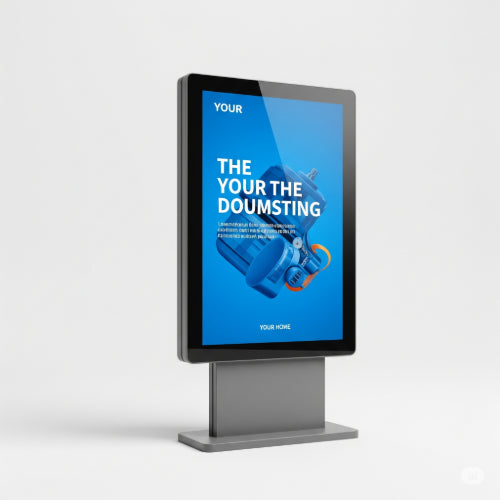
From Static Screens to Smart Storytellers: The Role of AI in Improving Digital Signage Advertising
Remember those old, static billboards? Then came digital signage – a leap forward, allowing for dynamic content and scheduled promotions. But even digital signs, without intelligence, can feel like shouting into the wind. This is where Artificial Intelligence (AI) steps in, transforming digital signage from mere display screens into powerful, personalized, and highly effective advertising tools.
AI is no longer just a buzzword; it's the brain behind the next generation of digital signage, making advertising smarter, more targeted, and significantly more impactful. Here’s how AI is revolutionizing the digital signage advertising landscape:
1. Hyper-Personalization at Scale: The Right Message, Right Time, Right Person
This is perhaps AI's most significant contribution. Gone are the days of generic messages hoping to hit a broad audience.
-
Audience Recognition and Profiling: Using computer vision and sensors, AI can analyze real-time audience demographics (age, gender, even mood), dwell time, and traffic patterns. This data allows the digital sign to instantly adapt its content. Imagine a fashion store display showing men's activewear when a group of young men walk by, then switching to children's clothing when a family approaches.
-
Contextual Relevance: AI can integrate external data sources like weather, time of day, current events, or even local sports scores. A coffee shop sign might promote iced lattes on a hot, sunny day, but switch to hot chocolate during a sudden downpour.
-
Behavioral Targeting: By linking with mobile data (with appropriate privacy safeguards), AI can even learn from past interactions or online Browse habits to display hyper-relevant ads as people pass by a physical location.
2. Dynamic Content Optimization: Always Learning, Always Improving
AI brings a continuous feedback loop to digital signage, ensuring content is always performing at its peak.
-
A/B Testing on Steroids: AI can rapidly test multiple versions of an ad (different visuals, headlines, calls to action) in real-time, instantly identifying which performs best with specific audience segments and optimizing future displays accordingly.
-
Predictive Content Scheduling: Machine learning algorithms analyze historical data on audience behavior, peak times, and content performance to predict the most effective times and durations for specific messages. This maximizes visibility and engagement, leading to better ROI.
-
Automated Content Creation and Adaptation: Generative AI tools can assist in creating dynamic visual content, suggest headlines, or even adapt existing creative for different screen sizes and formats, significantly speeding up content cycles and ensuring brand consistency.
3. Enhanced Interactivity and Engagement:
AI transforms passive displays into engaging, interactive experiences.
-
Gesture and Voice Control: Customers can interact with the digital signs using natural gestures or voice commands, enabling them to browse products, get directions in a mall, or participate in surveys, creating a more immersive experience.
-
Chatbot Integration: AI-powered chatbots can be integrated into touch-screen digital signage, allowing for instant customer inquiries, personalized recommendations, and even guided sales processes directly from the display.
-
Gamification: AI can power interactive games or quizzes on the screen, drawing in passersby and extending dwell time, which translates to more brand exposure.
4. Actionable Insights and ROI Measurement:
One of AI's most powerful capabilities is its ability to turn data into intelligence.
-
Precise Audience Measurement: AI-powered cameras can accurately count viewers, analyze their demographics, and measure engagement metrics like gaze duration and interaction rates, providing far more granular insights than ever before.
-
Attribution Modeling: By linking digital signage exposure to in-store traffic, website visits, or even app downloads, AI can help attribute conversions and measure the true ROI of digital signage campaigns, proving their effectiveness to businesses.
-
Operational Efficiency: AI automates content management, scheduling, and performance monitoring, reducing the need for manual intervention and freeing up marketing teams to focus on strategy rather than execution.
The Road Ahead: Challenges and Ethical Considerations
While the future of AI in digital signage is incredibly promising, there are important considerations:
-
Data Privacy: The use of facial recognition and audience analytics raises significant privacy concerns. Transparent data collection practices and adherence to regulations (like GDPR) are paramount to building public trust.
-
Bias in AI: Algorithms can inherit biases present in their training data, potentially leading to discriminatory targeting. Continuous auditing and ethical AI development are crucial.
-
Technological Infrastructure: Implementing advanced AI solutions requires robust hardware, reliable connectivity (like 5G), and sophisticated software, which can be a significant investment.
Despite these challenges, the trajectory is clear. AI is not just improving digital signage advertising; it's fundamentally reinventing it. By making screens intelligent, personalized, and interactive, AI is helping businesses create more compelling, effective, and measurable advertising experiences, turning every digital display into a powerful, data-driven storyteller.