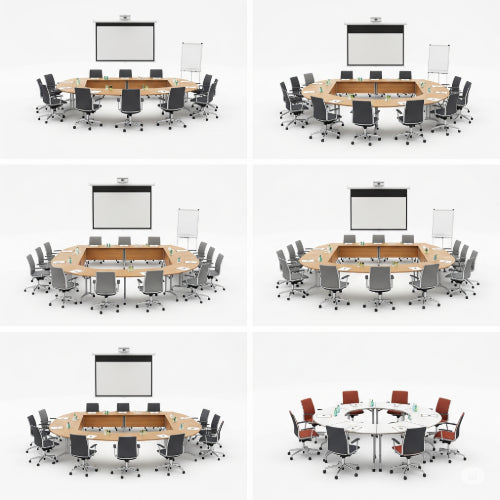
How Virtual Reality Is Reshaping the Modern Conference Room
The traditional conference room, with its long tables, projectors, and often clunky video conferencing equipment, is undergoing a significant transformation. While physical spaces will always have their place, the integration of Virtual Reality (VR) is pushing the boundaries of what a "meeting" truly means, offering immersive, flexible, and often more productive alternatives.
Gone are the days when distance was an insurmountable barrier to effective collaboration. VR is creating virtual conference rooms that are indistinguishable from – or even superior to – their real-world counterparts. Here's how this innovative technology is fundamentally changing conference room setups:
1. Eliminating Geographic Constraints (and Travel Headaches):
Perhaps the most obvious benefit of VR in conferencing is the complete eradication of geographical limitations. Teams scattered across the globe can now gather in a shared virtual space, feeling present and engaged as if they were in the same physical room. This significantly reduces the need for expensive and time-consuming business travel, leading to considerable savings in both money and carbon footprint. For companies with a global workforce, VR isn't just a convenience; it's a game-changer for fostering a cohesive and interconnected team.
2. Enhanced Presence and Engagement:
Unlike traditional video calls where participants are confined to a flat screen, VR offers a genuine sense of presence. Avatars can embody individuals, allowing for natural eye contact (or at least a strong approximation), body language, and spatial audio. This creates a much more immersive and engaging experience, making participants feel truly "in the room" rather than observing from a distance. This increased presence can lead to more dynamic discussions, better understanding of non-verbal cues, and ultimately, more productive meetings.
3. Interactive and Immersive Collaboration Tools:
Virtual conference rooms aren't just about avatars sitting around a virtual table. They come equipped with a suite of interactive tools that elevate collaboration to new heights. Imagine:
- 3D Whiteboards: Brainstorming sessions can involve writing, drawing, and manipulating ideas on a massive, shared virtual whiteboard that extends far beyond the confines of a physical wall.
- 3D Model Review: Architects, engineers, and product designers can collaboratively inspect and manipulate 3D models of their projects, walking around them, scaling them, and pointing out details with unprecedented clarity.
- Virtual Breakout Rooms: Need to split into smaller groups for a quick discussion? VR allows for instant creation of private breakout rooms within the larger virtual environment, seamlessly bringing everyone back together when ready.
- Shared Virtual Displays: Presenters can share screens, documents, and videos on massive virtual displays that everyone can view simultaneously and comfortably.
4. Customizable and Flexible Environments:
The physical limitations of a real conference room are non-existent in VR. Businesses can design and customize their virtual meeting spaces to perfectly suit their needs. From a sleek, minimalist boardroom to an inspiring outdoor setting, or even a fantastical, futuristic environment, the possibilities are endless. This flexibility allows companies to tailor the atmosphere to the meeting's purpose, fostering creativity, focus, or relaxation as required.
5. Democratizing Access and Participation:
VR can also help to level the playing field in meetings. In a virtual environment, everyone occupies a similar "space," regardless of their physical location or the size of their screen. This can encourage more active participation from individuals who might otherwise feel overshadowed in a traditional setting. With features like anonymous feedback or virtual hand-raising, quieter team members may feel more comfortable contributing.
Challenges and the Road Ahead:
While the potential of VR in conference rooms is immense, there are still hurdles to overcome. The cost of high-quality VR headsets, potential discomfort for some users (motion sickness, eye strain), and the learning curve associated with new technology are all factors that businesses are considering. However, as VR technology continues to advance, become more affordable, and user experiences become more seamless, these challenges are steadily diminishing.
The future of the conference room is undoubtedly virtual. As businesses continue to embrace remote work and global collaboration, VR offers a compelling solution for creating engaging, efficient, and truly boundary-less meeting experiences. It's not just about replicating the old; it's about reinventing collaboration for a new era.