Powering the Future: Sustainable Technologies for Modern Data Centers
Data centers are the unseen powerhouses of the digital world, supporting everything from streaming movies to complex AI computations. However, their immense energy consumption and environmental footprint have become a growing concern. Modern data centers are increasingly turning to sustainable technologies not just for ecological reasons, but for significant operational efficiencies and long-term viability.
Embracing sustainability in data center design and operation is no longer optional; it's a strategic imperative. Here's how cutting-edge sustainable technologies are reshaping the future of modern data centers:
1. Advanced Cooling Solutions
Cooling accounts for a substantial portion of a data center's energy usage. Sustainable technologies are revolutionizing how heat is managed:
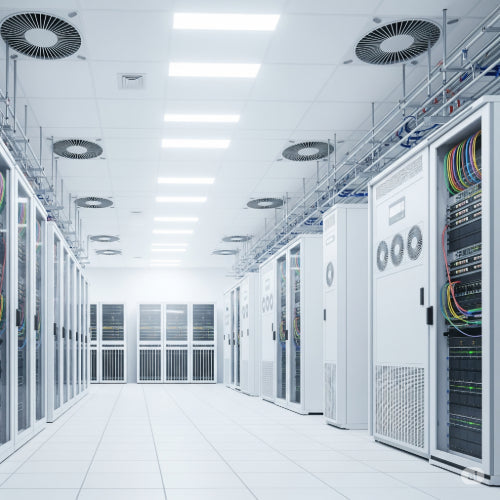
- Hot/Cold Aisle Containment: By physically separating hot exhaust air from cold intake air, these systems prevent air mixing, making cooling far more efficient and reducing the load on HVAC systems.
- Free Cooling (Economizers): Leveraging cooler outside air or water to cool the data center when ambient temperatures allow, significantly reduces the need for energy-intensive mechanical chillers.
- Liquid Cooling: For high-density racks and powerful processors, liquid cooling (e.g., direct-to-chip, immersion cooling) is vastly more efficient than air. Water can transfer heat 25 times faster than air, leading to substantial energy savings and enabling higher power densities within racks.
- Rear Door Heat Exchangers: These devices are mounted directly on the back of server racks, capturing heat at its source and transferring it to a liquid coolant, further optimizing heat removal.
2. Renewable Energy Integration
The ultimate goal for sustainable data centers is to power operations with clean, renewable energy.
- On-Site Generation: Installing solar panels or small-scale wind turbines directly at the data center can provide a direct, clean power source, reducing reliance on the grid and its associated carbon emissions.
- Power Purchase Agreements (PPAs): Many data center operators sign PPAs with renewable energy providers, ensuring that the electricity they consume is matched by renewable generation elsewhere on the grid.
- Battery Energy Storage Systems (BESS): Replacing traditional diesel generators with large-scale battery storage, charged by renewables, offers a cleaner, more resilient backup power solution and can help with load shifting during peak demand.
3. Energy-Efficient Hardware and IT Optimization
The equipment itself plays a critical role in overall sustainability.
- High-Efficiency Servers and Components: Modern servers, storage devices (like all-flash arrays), and networking equipment are designed to consume less power while delivering superior performance. Features like intelligent power management and low-power processors make a significant difference.
- Virtualization and Server Consolidation: Running multiple virtual machines on fewer physical servers maximizes resource utilization, reducing the total number of active devices that draw power and generate heat.
- Optimized Software and AI/ML: Software-defined power management, workload orchestration, and the use of AI and Machine Learning can dynamically optimize energy consumption by predicting and managing power usage, cooling systems, and workload distribution in real-time.
4. Waste Heat Recovery and Reuse
Instead of simply expelling waste heat into the atmosphere, sustainable data centers are finding innovative ways to repurpose it.
- District Heating: Excess heat from servers can be captured and used to warm nearby office buildings, residential areas, or even greenhouses, creating a symbiotic energy ecosystem.
- Industrial Processes: Waste heat can also be fed into industrial processes that require heat, further reducing the overall energy demand of nearby facilities.
5. Water Conservation and Management
Many cooling systems, particularly evaporative coolers, consume significant amounts of water.
- Water-Efficient Cooling: Technologies like direct-to-chip liquid cooling or dry coolers can drastically reduce water usage compared to traditional cooling towers.
- Water Recycling and Reuse: Implementing systems to recycle and reuse water within the data center, and exploring alternative water sources like rainwater harvesting, minimizes reliance on potable water supplies.
6. Circular Economy Principles and E-Waste Reduction
- Extended Equipment Lifespan: Focusing on hardware durability, modular design for easier repairs and upgrades, and robust maintenance programs helps extend the life of IT assets.
- Responsible E-Waste Management: Implementing comprehensive recycling, refurbishment, and repurposing programs for end-of-life IT equipment ensures that valuable materials are recovered and hazardous substances are handled safely, minimizing landfill waste.
By integrating these sustainable technologies, modern data centers can significantly reduce their environmental footprint, lower operational costs, enhance operational resilience, and meet the growing demands for responsible corporate citizenship. The future of data storage and processing is undoubtedly green.