The Intelligent Office: How IoT is Supercharging Efficiency in the Modern Workplace
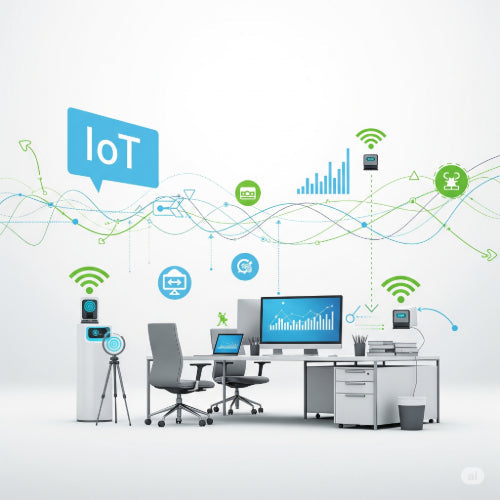
The office is no longer just a place with desks and chairs. It's rapidly evolving into a dynamic, intelligent ecosystem, thanks to the pervasive influence of the Internet of Things (IoT). By connecting everyday objects and systems to the internet, IoT is gathering vast amounts of real-time data, enabling unprecedented levels of automation, optimization, and insight, ultimately transforming office efficiency.
This isn't about futuristic gadgets; it's about smart, interconnected solutions that make the workplace smarter, more comfortable, and significantly more productive. Here’s how IoT is playing a pivotal role:
1. Optimizing Space Utilization and Management:
In today's flexible and hybrid work environments, understanding how office space is actually used is crucial.
-
Occupancy Sensors: IoT sensors can detect real-time occupancy in meeting rooms, workstations, and common areas. This data feeds into smart booking systems, allowing employees to quickly find available spaces, avoiding frustration and maximizing room utilization.
-
Hot-Desking and Flexible Workspaces: For offices adopting hot-desking or activity-based working, IoT sensors can guide employees to available desks, integrate with personalized settings (like lighting or temperature preferences at that specific desk), and even provide insights into peak usage times for better resource allocation.
-
Cleaning and Maintenance Efficiency: By knowing which areas have been used (and how heavily), cleaning crews can be dispatched more efficiently, focusing on high-traffic zones and reducing unnecessary cleaning in unused areas.
2. Enhancing Environmental Control and Energy Savings:
A comfortable and energy-efficient office benefits both employees and the bottom line.
-
Smart HVAC and Lighting: IoT-enabled sensors monitor temperature, humidity, air quality, and natural light levels. Smart HVAC systems can then automatically adjust heating, ventilation, and air conditioning based on occupancy, time of day, and external weather conditions, ensuring optimal comfort while significantly reducing energy consumption. Similarly, smart lighting can dim or brighten, or even turn off, based on occupancy, minimizing electricity waste.
-
Air Quality Monitoring: Beyond temperature, IoT sensors can detect levels of CO2, VOCs (volatile organic compounds), and other pollutants. If air quality drops, the system can automatically trigger ventilation, promoting a healthier and more productive environment for employees.
3. Streamlining Asset Tracking and Inventory Management:
Losing track of valuable assets or running out of essential supplies is a drain on efficiency.
-
Asset Tracking: By attaching IoT tags (like RFID or Bluetooth beacons) to office equipment (laptops, projectors, portable screens), businesses can track their location in real-time. This reduces time spent searching for equipment, minimizes theft, and simplifies inventory audits.
-
Automated Supply Reordering: IoT-enabled smart shelves or sensors in supply closets can monitor stock levels of essentials like paper, printer ink, or coffee. When supplies run low, the system can automatically trigger reorder alerts or even place orders directly, ensuring smooth operations and preventing last-minute rushes.
4. Boosting Employee Comfort and Productivity:
A personalized and responsive environment directly impacts employee well-being and output.
-
Personalized Workstations: Smart desks can remember and automatically adjust to an individual's preferred sitting/standing heights. IoT-enabled apps can allow employees to control the lighting, temperature, or even background noise levels within their immediate workspace.
-
Smart Conference Rooms: IoT can automate meeting room setup – turning on projectors, adjusting screens, and ensuring proper lighting and climate as participants arrive. Integrated booking systems prevent double-bookings and "ghost meetings" (rooms booked but unused).
-
Predictive Maintenance for Office Equipment: Sensors on printers, coffee machines, or other office equipment can monitor their performance and predict potential failures before they occur. This enables proactive maintenance, reducing downtime and ensuring essential tools are always available.
5. Enhancing Security and Safety:
IoT adds intelligent layers of protection to the office environment.
-
Smart Access Control: Beyond traditional key cards, IoT-enabled access systems can integrate with facial recognition or mobile credentials, providing seamless and secure entry. They can also track movements within the building, offering real-time insights for security personnel.
-
Emergency Response: In emergencies, IoT sensors can detect smoke, water leaks, or unusual activity, automatically triggering alerts to relevant personnel and even initiating safety protocols like locking down certain areas or guiding occupants to exits.
The Intelligent Future is Now:
The Internet of Things is fundamentally changing the way offices function. By transforming disparate devices into a connected, data-rich network, IoT empowers businesses to gain unprecedented visibility and control over their physical spaces. This leads to not only significant cost savings through energy efficiency and optimized resource utilization but also to a more comfortable, productive, and ultimately, a more intelligent working environment for everyone. The smart office is no longer a concept; it's a rapidly evolving reality, driven by the power of IoT.