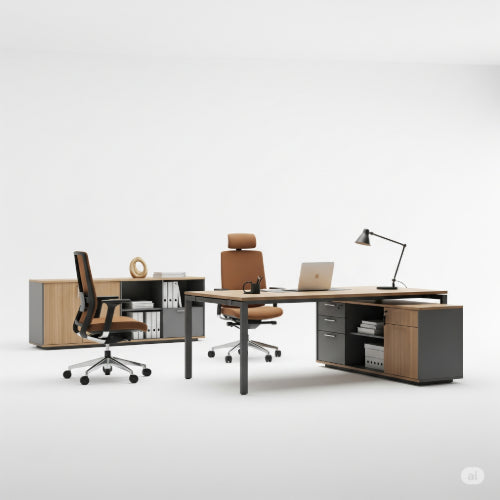
The Intelligent Workspace: How AI is Reshaping Office Furniture Design
The office of today is a far cry from the static, uninspired cubicle farms of the past. As we increasingly recognize the profound link between environment and productivity, Artificial Intelligence (AI) is emerging as a powerful force, quietly but fundamentally transforming the very furniture that defines our workspaces. This isn't just about sleek designs; it's about creating intelligent, responsive, and truly human-centric office environments.
Beyond Ergonomics: A New Era of Adaptive Furniture
For years, "ergonomics" was the buzzword in office furniture. While still crucial, AI takes this concept to an entirely new level. Instead of one-size-fits-all solutions, AI-powered furniture can now offer:
-
Personalized Comfort: Imagine an office chair that learns your preferred posture, adjusts lumbar support based on your sitting habits, and even gently reminds you to shift positions if you've been static for too long. Smart desks can automatically raise or lower to your ideal sitting and standing heights throughout the day, promoting dynamic movement and reducing the risks associated with prolonged sitting.
-
Data-Driven Ergonomics: Sensors embedded in furniture can collect real-time data on individual usage, pressure points, and movement patterns. This data, analyzed by AI, provides insights that can be used to continuously fine-tune ergonomic settings, offering a truly customized and preventative approach to well-being.
Optimizing Every Square Foot
Office space is a significant investment, and AI is proving invaluable in maximizing its utility.
-
Adaptive Layouts and Modular Systems: AI can analyze occupancy rates and workflow patterns to suggest optimal office layouts. This data can drive the design of highly modular and reconfigurable furniture that can be easily rearranged to suit different team sizes, project requirements, or the need for collaborative versus focused work. Some systems can even dynamically reconfigure spaces based on real-time data.
-
Smart Storage and Inventory: AI can be used in intelligent storage solutions that track the location and usage of office supplies and documents. This reduces clutter, improves efficiency in finding resources, and helps with proactive reordering.
Fostering Collaboration and Focus
The modern office needs to support diverse work styles, from intense individual focus to dynamic group collaboration. AI-integrated furniture can facilitate both:
-
Intelligent Meeting Spaces: AI-powered conference tables can come equipped with automated transcription services, voice recognition for speaker identification, and even seamless integration with video conferencing tools, making virtual and hybrid meetings more effective.
-
Dynamic Privacy Solutions: AI could inform the design and deployment of adaptive privacy pods or sound-masking furniture that can adjust based on ambient noise levels or user needs, creating quiet zones for concentration when required.
Wellness and Sustainability Woven In
Beyond immediate productivity, AI also contributes to the long-term well-being of employees and the planet.
-
Holistic Health Monitoring: Future smart chairs could incorporate biometric sensors to monitor stress levels, heart rate, or muscle tension, prompting breaks or suggesting exercises to improve mental and physical well-being.
-
Environmental Harmony: AI can help designers select sustainable materials by analyzing their lifecycle impact. Furthermore, smart furniture systems can integrate with building management systems to optimize energy consumption by adjusting lighting, heating, and cooling based on occupancy and real-time environmental conditions.
-
Predictive Maintenance: Sensors can detect wear and tear on furniture, allowing for predictive maintenance that extends the lifespan of assets, reduces waste, and minimizes downtime.
The Road Ahead
The integration of AI into office furniture design is still evolving, but its trajectory is clear. As AI algorithms become more sophisticated and sensor technology more affordable, we can expect offices to become truly "living" environments that intuitively understand and adapt to human needs. Challenges like data privacy, initial investment costs, and the need for seamless technological integration will need to be addressed. However, the promise of more comfortable, productive, and sustainable workspaces, driven by the intelligence of AI, is undeniably exciting. The office of tomorrow won't just house our work; it will actively support and enhance it.