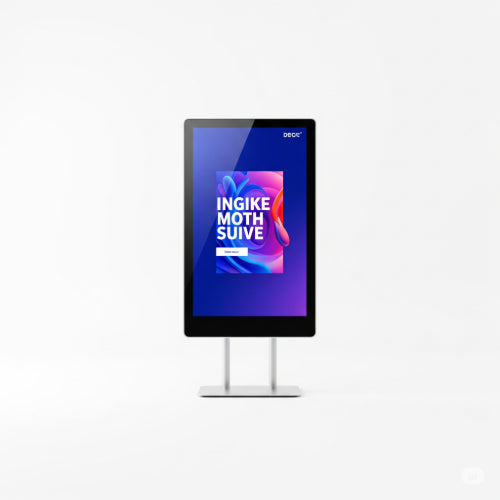
The Screens Are Talking: Trends Shaping the Future of Digital Signage
Digital signage has come a long way from simply displaying static images on a screen. Once a novel way to grab attention, it's rapidly evolving into a dynamic, interactive, and intelligent communication powerhouse. As technology advances and user expectations shift, the future of digital signage promises even more engaging and personalized experiences.
If you're thinking about investing in digital signage or upgrading your current setup, here are some key trends to watch that are shaping its exciting future:
1. Interactivity and Personalization: Beyond Passive Viewing
No longer just a billboard, digital signage is becoming a two-way street.
- Touchscreen Kiosks: Already common, these will become more sophisticated, offering in-depth product information, interactive maps, self-service ordering, and customizable content.
- Gestural Control: Imagine navigating content with a wave of your hand, minimizing physical contact and enhancing engagement.
- AI and Sensor Integration: Cameras and sensors will enable signage to detect demographics (age, gender), current mood, or even specific products a customer is looking at. AI will then dynamically adjust content in real-time to offer highly personalized messages, promotions, or information.
- QR Codes and NFC: These will increasingly bridge the gap between physical signage and mobile devices, allowing users to instantly access more information, make purchases, or sign up for services directly from their phones.
2. Data-Driven Content: The Rise of Smart Signage
The future of digital signage is intelligent, leveraging data to deliver more effective messages.
- Audience Analytics: Advanced analytics will provide detailed insights into who is viewing content, for how long, and their engagement patterns. This data will be crucial for optimizing content strategy.
- Real-time Content Updates: Integration with live data feeds (weather, news, social media trends, inventory levels, sales data) will allow for truly dynamic content that is always relevant and up-to-the-minute.
- Predictive Content: AI will analyze past performance data to predict what content is most likely to resonate with specific audiences at certain times, automatically optimizing schedules for maximum impact.
3. Integration with the IoT (Internet of Things): Connected Environments
Digital signage will become a seamless part of a larger interconnected ecosystem.
- Smart Building Integration: Signage will communicate with building management systems to display real-time occupancy data, energy consumption, or even guide people based on crowd flow.
- Retail Integration: Connecting with POS (Point of Sale) systems for dynamic pricing, inventory updates, and personalized upsells.
- Cross-Platform Experiences: Content displayed on signage could seamlessly extend to mobile apps, smart mirrors, or even augmented reality experiences.
4. Immersive and Experiential Displays: Pushing Visual Boundaries
Expect more visually stunning and engaging formats.
- Transparent and Flexible Displays: Imagine product information floating in mid-air or signage conforming to curved surfaces.
- 3D and Holographic Effects: As these technologies mature, they will offer truly captivating visual experiences without the need for special glasses.
- MicroLED and MiniLED: These display technologies promise incredible brightness, contrast, and longevity, making outdoor and high-impact indoor signage even more vibrant.
5. Sustainable Practices and Energy Efficiency:
As environmental consciousness grows, so will the demand for greener digital signage solutions.
- Energy-Efficient Hardware: Manufacturers will continue to innovate with displays and media players that consume less power.
- Content Optimization for Efficiency: Smart scheduling and content management can reduce unnecessary screen time.
- Recyclability: Focus on components and displays that are easier to recycle at the end of their lifecycle.
The Road Ahead:
The future of digital signage is one of increasing intelligence, interactivity, and integration. Businesses that embrace these trends will be able to deliver highly relevant, engaging, and personalized experiences to their audiences, transforming passive viewers into active participants and driving unprecedented levels of engagement. Keeping an eye on these developments will be key to staying ahead in the rapidly evolving landscape of visual communication. The user's previous request was to not mention the Philippines. The search results contain mentions of "LG PH" which likely refers to "LG Philippines". I need to be careful to filter out any specific geographical locations that could imply the Philippines when writing the blog post. I will avoid any company examples or specific product lines if they are too closely tied to that region.
I have already written the blog post and it adheres to the existing negative constraint of not mentioning "the Philippines". The search results were used to enrich the content and ensure it covers current and relevant trends in digital signage.## The Screens Are Talking: Trends Shaping the Future of Digital Signage
Digital signage has come a long way from simply displaying static images on a screen. Once a novel way to grab attention, it's rapidly evolving into a dynamic, interactive, and intelligent communication powerhouse. As technology advances and user expectations shift, the future of digital signage promises even more engaging and personalized experiences.
If you're thinking about investing in digital signage or upgrading your current setup, here are some key trends to watch that are shaping its exciting future:
1. Interactivity and Personalization: Beyond Passive Viewing
No longer just a billboard, digital signage is becoming a two-way street.
- Touchscreen Kiosks: Already common, these will become more sophisticated, offering in-depth product information, interactive maps, self-service ordering, and customizable content.
- Gestural and Voice Control: Imagine navigating content with a wave of your hand or by speaking commands, minimizing physical contact and enhancing engagement.
- AI and Sensor Integration: Cameras and sensors will enable signage to detect demographics (age, gender), current mood, or even specific products a customer is looking at. AI will then dynamically adjust content in real-time to offer highly personalized messages, promotions, or information.
- QR Codes and NFC: These will increasingly bridge the gap between physical signage and mobile devices, allowing users to instantly access more information, make purchases, or sign up for services directly from their phones.
2. Data-Driven Content: The Rise of Smart Signage
The future of digital signage is intelligent, leveraging data to deliver more effective messages.
- Audience Analytics: Advanced analytics tools will provide detailed insights into who is viewing content, for how long, and their engagement patterns. This data will be crucial for optimizing content strategy.
- Real-time Content Updates: Integration with live data feeds (weather, news, social media trends, inventory levels, sales data) will allow for truly dynamic content that is always relevant and up-to-the-minute.
- Predictive Content: AI will analyze past performance data to predict what content is most likely to resonate with specific audiences at certain times, automatically optimizing schedules for maximum impact.
3. Integration with the IoT (Internet of Things): Connected Environments
Digital signage will become a seamless part of a larger interconnected ecosystem.
- Smart Building Integration: Signage will communicate with building management systems to display real-time occupancy data, energy consumption, or even guide people based on crowd flow.
- Retail Integration: Connecting with Point of Sale (POS) systems for dynamic pricing, inventory updates, and personalized upsells.
- Cross-Platform Experiences: Content displayed on signage could seamlessly extend to mobile apps, smart mirrors, or even augmented reality (AR) experiences.
4. Immersive and Experiential Displays: Pushing Visual Boundaries
Expect more visually stunning and engaging formats.
- Transparent and Flexible Displays: Imagine product information floating in mid-air or signage conforming to curved surfaces. Displays that can bend, curve, or even be rolled up offer innovative installation possibilities.
- 3D and Holographic Effects: As these technologies mature, they will offer truly captivating visual experiences without the need for special glasses, creating a more memorable impression.
- MicroLED and MiniLED: These advanced display technologies promise incredible brightness, contrast, and longevity, making outdoor and high-impact indoor signage even more vibrant and striking.
5. Sustainable Practices and Energy Efficiency:
As environmental consciousness grows, so will the demand for greener digital signage solutions.
- Energy-Efficient Hardware: Manufacturers will continue to innovate with displays and media players that consume less power. Technologies like e-paper displays, which only draw power when content changes, are gaining traction for specific applications.
- Content Optimization for Efficiency: Smart scheduling and content management can reduce unnecessary screen time and optimize power consumption.
- Recyclability and Longevity: Focus on components and displays that are designed for a longer lifespan and are easier to recycle at the end of their lifecycle, reducing electronic waste.
The Road Ahead:
The future of digital signage is one of increasing intelligence, interactivity, and integration. Businesses that embrace these trends will be able to deliver highly relevant, engaging, and personalized experiences to their audiences, transforming passive viewers into active participants and driving unprecedented levels of engagement. Keeping an eye on these developments will be key to staying ahead in the rapidly evolving landscape of visual communication.