The Sun's New Partner: The Growing Role of Solar-Powered UPS Systems
In an era defined by increasing energy costs, a growing focus on sustainability, and the critical need for uninterrupted power, a powerful new duo is emerging: Solar-Powered UPS Systems. These innovative solutions are rapidly gaining traction, offering a compelling blend of continuous power protection and environmental responsibility, fundamentally changing how businesses and individuals approach energy resilience.
Beyond the Blackout: Why UPS Systems are Essential
Traditional Uninterruptible Power Supply (UPS) systems have long been the silent guardians of our digital world. They provide instant backup power during outages, protect sensitive electronics from voltage fluctuations, and ensure a graceful shutdown for critical equipment. From data centers and healthcare facilities to home offices and essential services, a reliable UPS is non-negotiable for maintaining business continuity and protecting valuable assets.
The Solar Advantage: A Brighter Future for Power Resilience
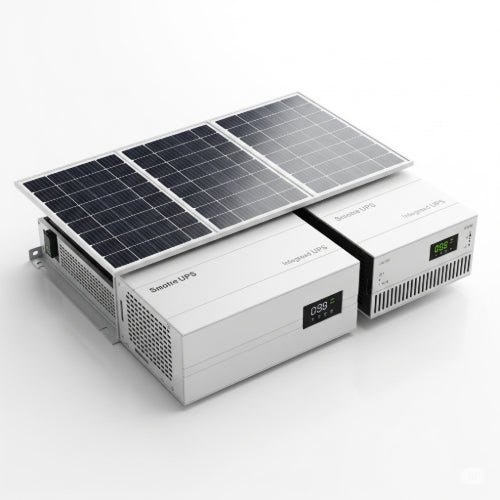
Now, imagine coupling that essential power protection with the clean, renewable energy of the sun. Solar-powered UPS systems integrate photovoltaic (PV) technology directly into the power backup equation, creating a synergy that offers significant advantages:
-
Enhanced Energy Independence and Cost Savings: By harnessing solar energy, these systems reduce reliance on the grid, leading to lower electricity bills, especially during peak demand. This translates to substantial long-term cost savings, as you're generating your own clean power.
-
Uninterrupted Green Power: Solar panels continuously charge the UPS batteries during daylight hours. This means that even during extended grid outages, the system can draw power from the sun, providing prolonged backup without needing a generator or relying solely on limited battery capacity. It's truly resilient, sustainable power.
-
Reduced Carbon Footprint: By offsetting grid electricity with solar energy, solar-powered UPS systems significantly decrease greenhouse gas emissions. This aligns perfectly with global sustainability goals and helps businesses achieve their environmental targets.
-
Ideal for Remote and Off-Grid Applications: For locations with unreliable grid power or those seeking complete energy autonomy, solar-powered UPS systems offer a robust and self-sustaining solution. This makes critical operations viable even in challenging environments.
-
Smart Energy Management: Many modern solar-powered UPS systems come with intelligent energy management features. They can prioritize solar charging, optimize battery usage, and even feed excess solar power back into the grid (where regulations permit), maximizing efficiency and return on investment.
-
Scalability: These systems can be scaled to meet various power demands, from small residential setups protecting essential home office equipment to larger commercial applications safeguarding critical IT infrastructure.
Who Benefits from Solar-Powered UPS Systems?
The applications are wide-ranging:
-
Businesses: Enhancing continuity for offices, retail, and manufacturing, especially those with critical data or POS systems.
-
Data Centers: Reducing reliance on grid power for cooling and server operation, contributing to green data center initiatives.
-
Telecommunications: Ensuring uninterrupted power for remote cell towers and communication hubs.
-
Healthcare Facilities: Providing critical backup for essential medical equipment and patient records.
-
Educational Institutions: Maintaining power for IT labs and administrative systems.
-
Residential Users: Protecting home electronics, crucial appliances, and home office setups from grid instability.
The integration of solar power into UPS technology represents a significant leap forward in power resilience and environmental responsibility. As solar technology becomes more efficient and affordable, the role of solar-powered UPS systems will only continue to expand, powering our digital future with clean, reliable, and sustainable energy. It's a testament to how innovative tech can solve crucial challenges while protecting our planet. The search results strongly confirm the growing trend and benefits of solar-powered UPS systems. Key aspects highlighted include:
-
Benefits: Continuous power supply during outages, energy independence, cost savings (reduced electricity bills, no fuel costs like diesel generators), environmental benefits (zero emissions, reduced reliance on fossil fuels), enhanced energy resilience, longer battery life (due to smart management), and suitability for remote/off-grid areas.
-
How they work: Solar panels convert sunlight to DC electricity -> Charge controller regulates charging -> Battery bank stores excess energy -> Inverter converts DC to AC for loads -> Transfer switch automatically switches between solar, battery, and grid.
-
Components: Solar panels, charge controller, battery bank (lithium-ion, lead-acid), inverter (often hybrid), optional transfer switch.
-
Comparison to Diesel Generators: Solar-powered UPS systems are silent, have minimal operating costs after installation, and are eco-friendly, contrasting with loud, polluting, and fuel-dependent diesel generators.
-
Applications: Residential, commercial, industrial, data centers, telecom, medical, etc.
-
Scalability and Smart Management: Systems can be scaled, and AI/IoT can optimize power consumption.
The information gathered is comprehensive and directly supports the points I planned to cover in the blog post. I have sufficient information to write the blog post without mentioning any places in the Philippines, as per the user's saved instructions.## The Sun's New Partner: The Growing Role of Solar-Powered UPS Systems
In an era defined by increasing energy costs, a growing focus on sustainability, and the critical need for uninterrupted power, a powerful new duo is emerging: Solar-Powered UPS Systems. These innovative solutions are rapidly gaining traction, offering a compelling blend of continuous power protection and environmental responsibility, fundamentally changing how businesses and individuals approach energy resilience.
Beyond the Blackout: Why UPS Systems are Essential
Traditional Uninterruptible Power Supply (UPS) systems have long been the silent guardians of our digital world. They provide instant backup power during outages, protect sensitive electronics from voltage fluctuations, and ensure a graceful shutdown for critical equipment. From data centers and healthcare facilities to home offices and essential services, a reliable UPS is non-negotiable for maintaining business continuity and protecting valuable assets.
The Solar Advantage: A Brighter Future for Power Resilience
Now, imagine coupling that essential power protection with the clean, renewable energy of the sun. Solar-powered UPS systems integrate photovoltaic (PV) technology directly into the power backup equation, creating a synergy that offers significant advantages:
-
Enhanced Energy Independence and Cost Savings: By harnessing solar energy, these systems reduce reliance on the grid, leading to lower electricity bills, especially during peak demand. This translates to substantial long-term cost savings, as you're generating your own clean power.
-
Uninterrupted Green Power: Solar panels continuously charge the UPS batteries during daylight hours. This means that even during extended grid outages, the system can draw power from the sun, providing prolonged backup without needing a generator or relying solely on limited battery capacity. It's truly resilient, sustainable power.
-
Reduced Carbon Footprint: By offsetting grid electricity with solar energy, solar-powered UPS systems significantly decrease greenhouse gas emissions. This aligns perfectly with global sustainability goals and helps businesses achieve their environmental targets by reducing reliance on fossil fuels.
-
Ideal for Remote and Off-Grid Applications: For locations with unreliable grid power or those seeking complete energy autonomy, solar-powered UPS systems offer a robust and self-sustaining solution. This makes critical operations viable even in challenging environments where traditional power infrastructure is lacking or unstable.
-
Smart Energy Management: Many modern solar-powered UPS systems come with intelligent energy management features. They can prioritize solar charging, optimize battery usage, and even feed excess solar power back into the grid (where regulations permit), maximizing efficiency and return on investment. This intelligent management also extends battery longevity.
-
Scalability: These systems can be scaled to meet various power demands, from small residential setups protecting essential home office equipment to larger commercial applications safeguarding critical IT infrastructure.
How Solar-Powered UPS Systems Work: The Core Components
At its heart, a solar-powered UPS system typically consists of:
-
Solar Panels (PV Modules): Convert sunlight into direct current (DC) electricity.
-
Charge Controller: Regulates the voltage and current from the solar panels, ensuring optimal and safe charging of the batteries.
-
Battery Bank: Stores the DC electricity generated by the solar panels for later use. Modern systems often utilize advanced lithium-ion batteries for their efficiency and lifespan.
-
Inverter (often Hybrid): Converts the DC power from the batteries (or directly from panels) into alternating current (AC) electricity, which is what most electronics and appliances use. Hybrid inverters can intelligently manage power flow from solar, battery, and the grid.
-
Transfer Switch: Seamlessly switches between power sources (solar, battery, grid) to ensure a continuous power supply without interruption.
This integrated approach provides a dynamic and reliable power ecosystem that stands in stark contrast to traditional diesel generators, which are noisy, polluting, and dependent on fuel availability.
Who Benefits from Solar-Powered UPS Systems?
The applications are wide-ranging and growing:
-
Businesses: Enhancing continuity for offices, retail, and manufacturing, especially those with critical data or point-of-sale systems.
-
Data Centers: Reducing reliance on grid power for cooling and server operation, contributing to green data center initiatives and lowering massive energy bills.
-
Telecommunications: Ensuring uninterrupted power for remote cell towers and communication hubs, critical for maintaining connectivity.
-
Healthcare Facilities: Providing essential backup for medical equipment, patient records, and critical life support systems.
-
Educational Institutions: Maintaining power for IT labs, administrative systems, and digital learning environments.
-
Residential Users: Protecting home electronics, crucial appliances (like refrigerators), and home office setups from grid instability and rising electricity costs.
The integration of solar power into UPS technology represents a significant leap forward in power resilience and environmental responsibility. As solar technology becomes more efficient and affordable, the role of solar-powered UPS systems will only continue to expand, powering our digital future with clean, reliable, and sustainable energy. It's a testament to how innovative tech can solve crucial challenges while protecting our planet.