Bright Screens vs. Static Boards: Digital Signage vs. Traditional Signage for Marketing
In today's competitive commercial landscape, businesses are constantly vying for attention. Effective marketing relies on reaching your target audience with the right message, and signage plays a crucial role in this. But in today's dynamic world, which reigns supreme: the static steadfastness of traditional signage or the vibrant versatility of digital displays? Let's delve into a comparison to help businesses make the best choice for their marketing needs.
Defining the Contenders:
-
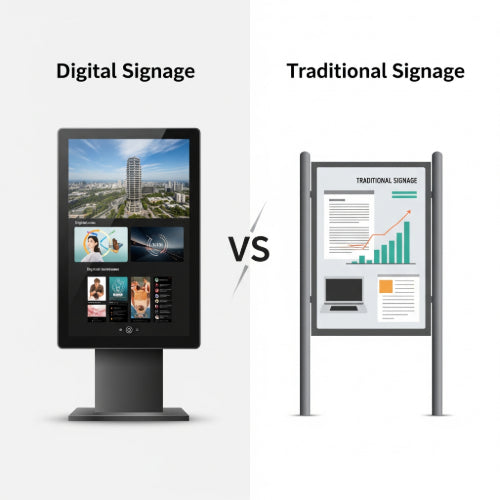
Traditional Signage: This encompasses a wide range of static displays, including painted signs, vinyl banners, posters, billboards, and window decals. They are typically fixed in content and rely on physical creation and installation.
-
Digital Signage: This involves using electronic displays like LCD or LED screens to showcase dynamic content, such as images, videos, animations, and real-time information. Content can be updated remotely and scheduled for different times.
The Case for Digital Signage: The Modern Marketing Maverick
Pros:
-
Dynamic and Engaging Content: Digital signage allows for eye-catching motion graphics, videos, and scrolling text that can capture attention far more effectively than static images. In a busy commercial area, this visual dynamism can be a significant advantage.
-
Real-Time Updates and Flexibility: Need to promote a flash sale happening right now at your store? Digital signage allows for instant content updates, eliminating the lag and cost associated with printing and replacing traditional signs. This agility is crucial for time-sensitive promotions or adapting to local events.
-
Versatility of Content: Display a variety of messages, product showcases, customer testimonials, social media feeds, and even live news updates. This keeps your signage fresh and engaging for passersby. Imagine a restaurant showcasing their daily specials during lunch hours and promoting their evening menu later.
-
Scheduled Content: Plan your marketing campaigns in advance and schedule content to play at specific times or days. This allows for targeted messaging to different audiences throughout the day in various locations like shopping centers or business districts.
-
Interactive Possibilities: Some digital signage can be interactive, allowing customers to browse products, access information, or even participate in polls or contests. This can create a more memorable and engaging experience.
-
Data Collection and Analytics (Advanced Systems): Some sophisticated digital signage systems can track viewer engagement, providing valuable data on what content resonates best with your audience. This allows for data-driven marketing decisions.
-
Reduced Printing and Installation Costs (Long-Term): While the initial investment is higher, digital signage can eliminate the recurring costs of printing and physically installing new traditional signs for every promotion.
Cons:
-
Higher Initial Investment: The cost of purchasing and installing digital displays is significantly higher than traditional signage.
-
Technical Dependence: Requires a reliable power source and internet connectivity for remote updates. Technical glitches or outages can result in blank screens. Businesses in areas with less stable infrastructure need to consider this.
-
Potential for Technical Issues: Hardware malfunctions, software problems, or compatibility issues can occur, requiring technical support.
-
Content Creation Effort: While flexible, creating engaging and effective digital content requires time, resources, and potentially design expertise.
The Enduring Appeal of Traditional Signage: The Reliable Foundation
Pros:
-
Lower Initial Cost: Traditional signage is generally much more affordable to produce and install, making it a budget-friendly option for many small businesses.
-
No Power or Connectivity Requirements: Once installed, traditional signs require no ongoing power or internet connection, making them reliable in all conditions.
-
Durability and Longevity (in some cases): Well-made traditional signs can withstand the elements for extended periods.
-
Simplicity and Familiarity: They are straightforward and require no technical expertise to manage. Everyone understands a static sign.
-
Can be Highly Effective for Branding: Consistent use of well-designed traditional signage can build strong brand recognition over time within a local community.
Cons:
-
Static and Unchanging Content: The message remains the same until the sign is physically changed, making it less effective for promoting timely offers or dynamic information.
-
Limited Engagement: Static signs are less likely to capture the attention of busy passersby compared to dynamic visuals.
-
Inflexibility: Updating information requires physical effort, cost, and downtime.
-
Environmental Impact of Materials: Printing and disposing of traditional signs can contribute to environmental waste.
Which One is Better for Marketing?
The "better" option isn't a one-size-fits-all answer and depends heavily on your specific business goals, target audience, budget, and location:
-
For businesses seeking maximum impact, flexibility, and the ability to deliver dynamic messaging (like restaurants with daily specials, retail stores with frequent promotions, or event organizers): Digital Signage often offers a significant advantage. While the initial investment is higher, the long-term benefits of real-time updates, engaging content, and the potential for increased customer interaction can be substantial. Consider high-traffic areas like commercial centers.
-
For businesses with a limited budget, consistent branding messages, or those located in areas where power reliability is a concern, Traditional Signage remains a valuable and cost-effective option. Well-designed storefront signs, banners announcing permanent offerings, and directional signage can effectively serve their purpose. Consider strategic placement in less dynamic or more residential areas.
A Hybrid Approach:
Often, the most effective strategy involves a combination of both. A business might use a prominent digital display in a high-traffic area to showcase dynamic promotions while utilizing traditional signage for permanent branding and wayfinding.
Ultimately, the best signage for your marketing is the one that most effectively reaches your target audience with the right message, within your budget, and aligns with your overall marketing strategy. Evaluate your needs carefully, consider the pros and cons of each option, and choose the signage solution that will help your business thrive.