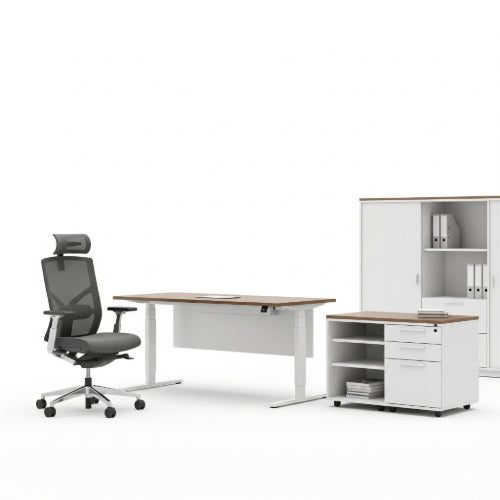
Bringing the Outside In: The Rise of Biophilic Design in Office Furniture
The modern office, often filled with screens and synthetic materials, can sometimes feel disconnected from the natural world. However, a growing movement is seeking to bridge this gap by bringing the outdoors inside: biophilic design. This approach, which recognizes our innate human connection to nature, is increasingly influencing the design of our workspaces, and nowhere is this trend more evident than in the evolution of office furniture.
Biophilic design isn't just about adding a few potted plants. It's a holistic philosophy that aims to integrate natural elements and patterns into the built environment to enhance human well-being, productivity, and overall experience. And while architectural design often takes center stage in biophilic discussions, office furniture plays a crucial role in creating these nature-connected spaces.
Why Biophilic Furniture Matters
The benefits of incorporating biophilic elements into the workplace are becoming increasingly clear:
-
Improved Well-being: Studies have shown that exposure to natural elements can reduce stress, anxiety, and fatigue. Biophilic furniture, through its materials, forms, and textures, can contribute to a more calming and restorative work environment.
-
Enhanced Productivity and Creativity: Connection with nature has been linked to improved focus, cognitive function, and creative thinking. Furniture that incorporates natural elements can help stimulate these positive mental states.
-
Increased Employee Engagement: Workspaces that feel more natural and inviting can boost employee morale, satisfaction, and a sense of belonging. This, in turn, can lead to higher engagement and retention rates.
-
Aesthetic Appeal: Biophilic design often results in visually appealing and inviting spaces. Natural materials and forms can add warmth, texture, and a sense of organic beauty to the office.
Key Trends in Biophilic Office Furniture
The rise of biophilic design is manifesting in various innovative ways in office furniture:
-
Natural Materials: We're seeing a resurgence of wood, bamboo, cork, and natural fibers in desks, chairs, and storage solutions. The warmth, texture, and unique patterns of these materials bring a touch of the outdoors in.
-
Organic Forms and Shapes: Furniture designs are moving away from rigid, purely geometric shapes towards more fluid and organic forms inspired by nature. Think curved chair backs, softly edged desks, and modular seating arrangements that mimic natural landscapes.
-
Nature-Inspired Textures and Patterns: Fabrics and finishes are incorporating textures and patterns found in nature, such as leaf motifs, wood grain patterns, and earthy color palettes. These subtle details can create a subconscious connection to the natural world.
-
Integration of Greenery: Furniture pieces are being designed to incorporate plants directly. This can range from desks with built-in planters to modular shelving systems that allow for vertical gardens, blurring the lines between furniture and living elements.
-
Ergonomics Inspired by Natural Movement: Some furniture designs are taking cues from the way the human body naturally moves, promoting better posture and encouraging movement throughout the day, mirroring the dynamism of the natural world.
The Future is Green
The integration of biophilic design principles into office furniture is not just a fleeting trend; it reflects a growing understanding of the profound impact our environment has on our well-being and productivity. As businesses increasingly prioritize employee health and satisfaction, the demand for biophilic office furniture is set to continue its rise. By bringing the outside in, we can create workspaces that are not only functional but also nurturing, inspiring, and ultimately, more human-centered. The future of the office is looking decidedly greener.