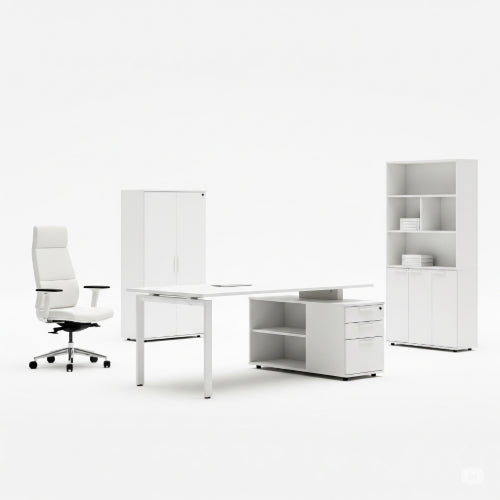
Seating the Change: How Office Furniture Is Evolving with Sustainable Materials
The modern office landscape is undergoing a profound transformation, driven by a growing awareness of environmental responsibility. This shift is impacting everything from energy consumption to waste management, and the furniture we use every day is no exception. Gone are the days when office furniture was solely judged on aesthetics and functionality. Today, sustainability is a key consideration, and the industry is responding with innovative and stylish solutions crafted from eco-friendly materials.
Why the Sustainable Shift?
The move towards sustainable materials in office furniture is fueled by several converging factors:
-
Environmental Concerns: Businesses and individuals are increasingly aware of the environmental impact of manufacturing processes, resource depletion, and waste generation. Choosing sustainable furniture is a tangible way to reduce their carbon footprint.
-
Growing Consumer Demand: Employees and consumers are demanding more eco-conscious products. Businesses are recognizing that investing in sustainable practices, including furniture choices, can enhance their brand image and attract environmentally aware talent.
-
Health and Well-being: Many sustainable materials are also healthier for indoor environments. Avoiding harmful chemicals and VOCs (volatile organic compounds) found in some conventional materials contributes to better air quality and employee well-being.
-
Innovation and Technology: Advancements in material science are leading to the development of innovative and durable sustainable alternatives that don't compromise on design or performance.
-
Regulations and Certifications: Stricter environmental regulations and the rise of green building certifications (like LEED and WELL) are encouraging the use of sustainable materials in commercial spaces.
The Greening of Our Workspaces: Key Sustainable Materials
The office furniture industry is embracing a wide array of sustainable materials, each with its unique benefits:
-
Recycled and Upcycled Materials: Giving new life to discarded materials is a cornerstone of sustainability. We're seeing furniture made from recycled plastics (ocean plastic, post-consumer waste), reclaimed wood (barn wood, salvaged timber), and recycled metals (steel, aluminum). Upcycling takes this a step further by creatively transforming waste into higher-value products.
-
Responsibly Sourced Wood: When virgin wood is used, prioritizing sustainably managed forests certified by organizations like the Forest Stewardship Council (FSC) ensures that timber is harvested responsibly, maintaining biodiversity and forest health.
-
Natural and Renewable Resources: Materials like bamboo, cork, linoleum (made from natural ingredients), and natural fibers (organic cotton, hemp, jute) are rapidly renewable and often require less energy and fewer resources to produce compared to conventional options.
-
Low-VOC and Non-Toxic Materials: Manufacturers are increasingly opting for adhesives, finishes, and fabrics that have low or no VOC emissions, contributing to healthier indoor air quality.
-
Bio-based Materials: Innovation is leading to the development of materials derived from agricultural waste or other biological sources, offering exciting possibilities for truly sustainable furniture.
Trends Shaping Sustainable Office Furniture
The adoption of sustainable materials is also influencing design trends in office furniture:
-
Minimalist and Timeless Designs: Furniture made from durable, sustainable materials is often designed with longevity in mind, favoring timeless aesthetics over fleeting trends to reduce the need for frequent replacements.
-
Transparency and Material Storytelling: Companies are increasingly transparent about the origins and environmental impact of their materials, allowing consumers to make informed choices. Highlighting the "story" behind the sustainable materials adds value and connection.
-
Modular and Adaptable Systems: Furniture systems designed for flexibility and longevity reduce waste by allowing for reconfiguration and reuse as needs evolve. Sustainable materials enhance the overall lifecycle of these adaptable solutions.
-
Focus on Circularity: The concept of a circular economy, where products are designed to be reused, remanufactured, or recycled at the end of their life, is gaining traction in the furniture industry. Sustainable materials play a crucial role in enabling this circular approach.
Investing in a Greener Future
Choosing office furniture made from sustainable materials is more than just an aesthetic preference; it's a conscious decision to invest in a healthier planet and a more responsible future for the workplace. As innovation continues and awareness grows, we can expect to see even more creative and impactful uses of sustainable materials in the furniture that shapes our daily work lives. The evolution is underway, and the future of office furniture is undoubtedly green.