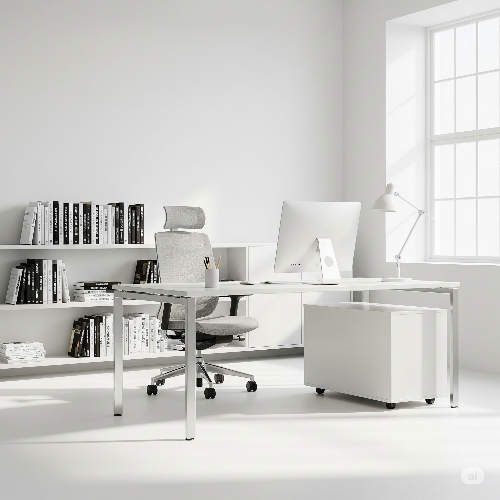
Declutter for Productivity: How the Right Furniture Organizes Your Office
A messy office isn't just an eyesore; it's a productivity drain. Clutter can lead to stress, make it harder to focus, and waste precious time searching for misplaced items. The good news is that achieving an organized workspace isn't about magical tidying habits alone; it's fundamentally about making smart choices when it comes to your office furniture.
The right furniture can transform a chaotic space into a streamlined, efficient hub. It provides designated homes for everything, reduces visual noise, and supports a more focused workflow. Let's explore how strategic furniture choices can help you declutter and create a more organized office environment.
Conquering the Paper Pile: Smart Storage Solutions
Paperwork is often the biggest culprit behind office clutter. Even in our digital age, physical documents, reports, and notes can quickly accumulate.
- Filing Cabinets: These are the bedrock of paper organization. Invest in a sturdy filing cabinet with enough drawers to categorize your documents effectively. Think about separate sections for active projects, archives, administrative papers, and personal files. Lockable drawers are essential for sensitive information.
- Shelving Units: Maximize vertical space with open or closed shelving units. Use them for binders, reference books, decorative items that add personality, and even plants to bring a touch of nature indoors. Modular shelving systems offer flexibility, allowing you to adapt them as your storage needs evolve.
- Credenzas and Sideboards: These versatile pieces offer both concealed storage and a useful surface. You can use them to discreetly tuck away less frequently used items like extra paper supplies, while their top surface can serve as a printer stand, a temporary sorting area, or a space for a coffee machine.
Streamlining Your Workspace: Functional Desks
Your desk is the central hub of your work, and its design can significantly impact your organizational capabilities.
- Desks with Built-in Drawers: Opt for a desk that comes equipped with integrated drawers and compartments. This allows you to keep frequently used stationery, cables, and personal items neatly out of sight but within easy reach. Look for varying drawer depths to accommodate different types of supplies.
- L-Shaped or Corner Desks: These designs maximize space, especially in corners, providing an expansive work surface that can be divided into different zones (e.g., computer area, writing area, reference area). Many L-shaped desks also come with built-in storage or ample space underneath for pedestals.
- Monitor Risers with Storage: An ergonomic monitor riser not only elevates your screen to a comfortable viewing height but also creates valuable storage space directly underneath for keyboards, notebooks, or small accessories when not in use.
Keeping Essentials Handy: Smart Accessories
It's often the small, everyday items that create the most visual clutter. Targeted desk accessories can help.
- Desk Organizers: Invest in well-designed desk organizers for pens, paperclips, sticky notes, and other small essentials. These keep your desktop clear and ensure you always know where your most-used items are.
- Cable Management Solutions: Tangles of wires behind your desk are unsightly and can be a safety hazard. Utilize cable clips, sleeves, and ties to bundle and route cords neatly, making your workspace look much cleaner and more professional.
- Under-Desk Drawers/Caddies: If your desk lacks built-in storage, consider attachable under-desk drawers or rolling caddies that can slide underneath. These are perfect for files or personal items.
Beyond the Basics: Thoughtful Additions
- Comfortable Chairs with Storage: While ergonomics are paramount for an office chair, some models offer subtle storage pockets on the back or sides, ideal for a notebook or a small file you need handy.
- Ottomans with Hidden Storage: In collaborative zones or break areas, an ottoman with a lift-up lid can provide extra seating and discreet storage for blankets, board games, or other shared items.
Tips for Sustainable Organization:
- Declutter First: Before purchasing new furniture, do a thorough decluttering. Get rid of anything you no longer need, use, or want. This prevents you from buying storage for items that should be discarded.
- Plan Your Layout: Consider your workflow. How do you move around your office? What items do you use most frequently? Arrange your furniture and storage to support these patterns.
- Think Vertically: Always look for opportunities to utilize wall space with shelves, wall-mounted file holders, or pegboards.
- Label Everything: Once you've organized, label drawers, shelves, and containers clearly. This makes it easy for everyone to find what they need and put things back correctly.
- Maintain Regularly: Organization is an ongoing practice. Dedicate a few minutes each day or week to tidy up and return items to their designated homes.
By strategically choosing furniture that offers effective storage and promotes a streamlined workflow, you can transform your office from a chaotic zone into a productive, organized, and inviting space. Invest in the right pieces, and you'll quickly see the difference a clutter-free environment can make to your focus and efficiency.