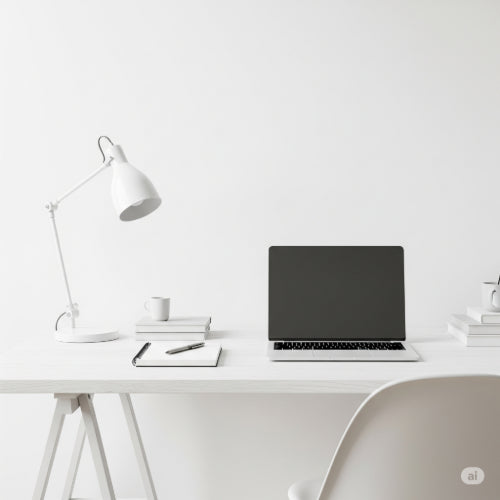
Embrace Simplicity: How to Create a Minimalist Workspace with the Right Furniture
In an increasingly chaotic world, the appeal of minimalism extends beyond aesthetics; it's a philosophy that can profoundly impact productivity and well-being, especially in your workspace. A minimalist workspace isn't about stark emptiness, but rather intentionality – removing distractions, enhancing focus, and creating a calming environment where ideas can flourish. And the foundation of such a space lies in choosing the right furniture.
The Power of Less: Why Minimalism Works for Your Workspace
A cluttered environment often leads to a cluttered mind. By embracing minimalism in your office, you can:
-
Boost Focus: Fewer items mean fewer visual distractions, allowing you to concentrate better on tasks.
-
Reduce Stress: A clean, organized space promotes a sense of calm and control.
-
Improve Efficiency: Everything has a place, making items easy to find and access.
-
Enhance Aesthetics: Minimalist furniture often features clean lines and thoughtful design, creating a sophisticated and professional look.
-
Promote Deliberate Choices: Every item in your space serves a purpose, encouraging thoughtful consumption.
-
Increase Adaptability: Less clutter and intentional furniture choices make your space more flexible for different tasks or future reconfigurations.
Building Your Minimalist Haven: Choosing the Right Furniture
Creating a minimalist workspace is about quality over quantity, and multi-functionality over single-purpose items.
1. The Essential Desk: Clean Lines, Clear Mind
-
Sleek & Simple: Opt for a desk with a clean, uncluttered design. Avoid bulky drawers or elaborate ornamentation. A simple flat surface often works best.
-
Appropriate Size: Choose a desk that's just large enough for your essentials (laptop/monitor, keyboard, mouse, a notebook). Too large, and it invites clutter; too small, and it feels cramped.
-
Integrated Storage (Subtle): If storage is necessary, look for desks with very subtle, built-in drawers or discreet cable management trays that keep items out of sight, maintaining the minimalist aesthetic.
-
Material Matters: Light-colored wood, white finishes, or glass can contribute to an airy, spacious feel.
2. The Ergonomic Chair: Functionality & Form
-
Comfort is Key: A minimalist chair isn't about sacrificing comfort. Invest in an ergonomically sound chair that supports good posture, even if it has a streamlined design.
-
Unobtrusive Design: Choose a chair with clean lines and minimal bulk. Black, white, or neutral tones will blend seamlessly into the minimalist aesthetic.
-
Adjustability: Ensure it offers essential adjustments (height, lumbar support, armrests) to tailor it to your body.
3. Smart Storage: Out of Sight, Out of Mind
-
Closed Storage is Your Best Friend: The cornerstone of minimalist organization is storing items out of sight. Think cabinets, drawers, and credenzas with solid doors.
-
Vertical Solutions: Utilize walls for shelving units or wall-mounted cabinets. Floating shelves can add a clean look while providing subtle display space for essential items or a single plant.
-
Multi-functional Storage: Consider storage ottomans or benches that double as seating or surfaces.
-
Minimalist Bookshelves: If open shelving is necessary, choose designs with clean lines and avoid over-filling them. Use bookends to keep items tidy and incorporate negative space.
4. Thoughtful Accessories & Lighting:
While not strictly furniture, these play a vital role in completing the minimalist look:
-
Wireless Peripherals: Opt for wireless keyboards, mice, and headphones to eliminate cable clutter.
-
Cable Management: Even with wireless devices, some cables are inevitable. Use cable trays, clips, or sleeves to keep wires neatly organized and out of sight.
-
Task Lighting: A simple, adjustable desk lamp with a clean design (like an architect's lamp or a slim LED bar) provides focused light without visual bulk.
-
Select Decor: Choose one or two carefully selected, purposeful decor items – a single plant, a small piece of art, or a high-quality pen holder – to add personality without clutter.
Cultivating a Minimalist Mindset:
The furniture is just the beginning. To truly maintain a minimalist workspace:
-
Declutter Ruthlessly: Regularly review every item. If it doesn't serve a clear purpose or bring you joy (in a workspace context, this often means utility), it doesn't belong.
-
"One In, One Out": When you buy something new, commit to removing an old item.
-
Go Digital: Minimize paper by using cloud storage, digital notes, and e-signatures.
-
Daily Tidy-Up: Spend 5 minutes at the end of each day putting everything back in its designated place.
Creating a minimalist workspace with the right furniture is an investment in your focus, well-being, and efficiency. By embracing simplicity and intentionality, you'll discover that less truly is more when it comes to maximizing your productivity and peace of mind.