Gaming Green: Why Choosing Energy-Efficient Graphics Cards Is Good for the Planet
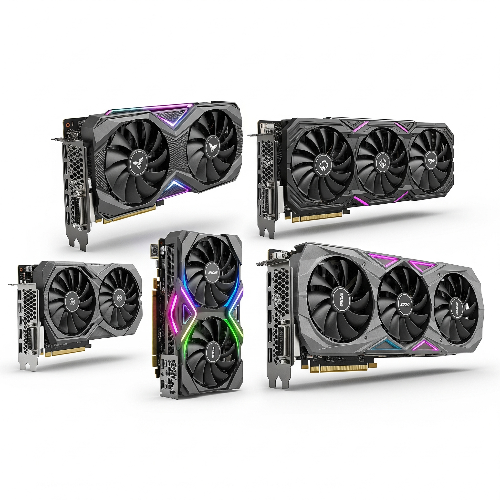
For gamers, content creators, and AI enthusiasts, the graphics card (GPU) is often the beating heart of their system. It's the component responsible for rendering stunning visuals, accelerating complex computations, and generally making digital worlds come to life. However, this power comes at a cost – often a significant one in terms of energy consumption.
In an era where environmental consciousness is paramount, the spotlight is increasingly turning to the energy footprint of our technology. And when it comes to high-performance computing, the GPU is a major player. This is why choosing an energy-efficient graphics card isn't just a smart financial decision; it's a powerful statement for the planet.
Here's why opting for a greener GPU is a win-win for both your wallet and Mother Earth:
1. Reduced Electricity Consumption, Lower Carbon Footprint:
This is the most direct and impactful benefit. High-end graphics cards can draw hundreds of watts of power, especially under heavy load. An energy-efficient GPU performs its tasks while consuming significantly less electricity.
- Less energy drawn from the grid means a reduced demand on power plants.
- Lower demand from power plants often translates to fewer fossil fuels being burned, leading to a direct reduction in greenhouse gas emissions and a smaller carbon footprint for your computing activities.
Over the lifespan of a GPU, these energy savings can add up to a substantial difference in environmental impact.
2. Less Heat Generated, More Efficient Cooling:
Energy that isn't converted into computational work is typically expelled as heat. An inefficient GPU generates more heat, requiring more robust and energy-intensive cooling solutions within your PC.
- A more efficient GPU produces less heat, meaning your CPU cooler and case fans don't have to work as hard.
- This directly translates to less energy consumed by your cooling system, further contributing to overall system efficiency.
- It can also lead to a quieter system, as fans spin at lower RPMs.
3. Longer Component Lifespan and Reduced E-Waste:
Excessive heat is detrimental to electronic components. Running a GPU consistently at high temperatures can shorten its lifespan.
- By generating less heat, an energy-efficient GPU operates at cooler temperatures, which can extend its operational life.
- A longer lifespan means less frequent need for upgrades and replacements, directly contributing to a reduction in electronic waste (e-waste). E-waste is a growing environmental problem, and every bit we can do to reduce it helps.
4. Financial Savings on Electricity Bills:
While the environmental benefits are compelling, the financial savings are often a strong motivator. Even if electricity rates aren't sky-high, the cumulative cost of running an inefficient GPU for hours every day, month after month, can be surprising. An energy-efficient alternative can noticeably shave down your electricity bill over time.
5. Innovation Driven by Demand:
As consumers increasingly demand more sustainable products, manufacturers are pushed to innovate. The drive for energy-efficient GPUs has led to advancements in chip architecture, power delivery systems, and cooling technologies. By choosing efficient cards, you're signaling to the industry that sustainability matters, encouraging further green innovation.
Making the Eco-Friendly Choice:
When choosing your next graphics card, don't just look at raw performance numbers. Also consider:
- TDP (Thermal Design Power): This spec gives you an indication of the maximum heat a component is expected to generate, and generally correlates with power consumption. Lower TDP usually means higher efficiency for a given performance tier.
- Performance per Watt: Some reviews and benchmarks will analyze a card's "performance per watt" or "efficiency." This is a crucial metric for understanding how much power it uses for the work it does.
- Newer Architectures: Generally, newer generations of GPUs from both NVIDIA and AMD offer significant efficiency improvements over older ones, even when offering similar performance.
Every watt saved contributes to a healthier planet. By making a conscious choice for an energy-efficient graphics card, you're not just upgrading your system; you're casting a vote for a more sustainable future in technology. Game on, responsibly!