The Intelligent Switch: How Smart Power Converters Help Save Energy in Offices
In today's dynamic office environments, energy consumption is a constant consideration. From powering our workstations to charging our devices, the demand for electricity is ever-present. While we often focus on major appliances and lighting, a significant amount of energy can be silently wasted by electronic devices, even when they're not in active use – a phenomenon known as "phantom load" or "vampire drain." This is where smart power converters (also known as smart power strips or smart plugs) emerge as unsung heroes in the quest for office energy efficiency.
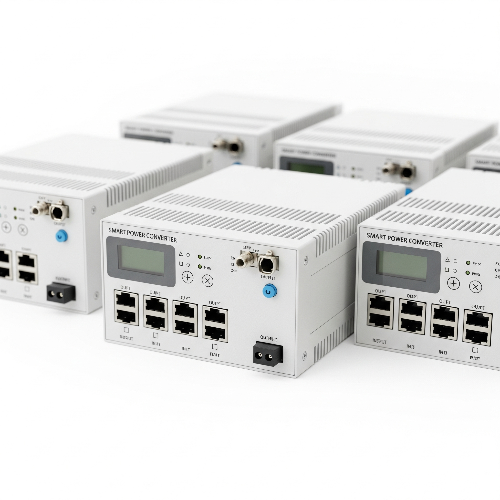
These intelligent devices are far more sophisticated than your average power strip. They offer a simple yet powerful solution to minimize energy waste, reduce utility bills, and contribute to a greener, more sustainable workspace. Here's how smart power converters are making offices more energy-efficient:
1. Eliminating Phantom Load (Vampire Drain):
Many electronic devices, even when turned off, continue to draw a small amount of power to maintain standby modes, keep clocks running, or await remote commands. This "phantom load" can add up to significant energy waste across an entire office, especially with numerous monitors, chargers, printers, and other peripherals.
- Smart power converters actively cut power to devices when they are not in use or when the primary device (like a computer) is turned off. They detect when a device enters standby mode or is completely shut down and then automatically switch off the power to its connected peripherals. This completely eliminates phantom load, saving energy that would otherwise be wasted.
2. Scheduled Power Management:
Many smart power converters come with programmable scheduling features. This allows office managers or IT staff to set specific times for outlets to turn on and off.
- Automated shutdowns for non-essential equipment (e.g., monitors, task lighting, device chargers) after office hours, on weekends, and during holidays.
- Scheduled power-ups before the start of the workday to ensure everything is ready when employees arrive, without being on all night. This intelligent scheduling ensures that devices are only powered when they are actually needed, maximizing energy savings.
3. Occupancy and Activity Sensing:
Some advanced smart power converters integrate with occupancy sensors or desk activity sensors.
- If a desk is vacant for an extended period, the smart power converter can automatically cut power to the connected monitor, desk lamp, and phone charger.
- This is particularly useful in modern, flexible office spaces where hot-desking or hybrid work models mean not all workstations are in use all the time.
4. Remote Monitoring and Control:
Many smart power converters are Wi-Fi enabled and can be controlled and monitored remotely via a smartphone app or a central management system.
- Remote power cycling of devices (e.g., restarting a frozen printer without having to go to its location).
- Real-time energy usage monitoring for individual outlets or connected devices, providing valuable data to identify energy-hungry equipment and further optimize power consumption. This data empowers offices to make informed decisions about their energy usage.
5. Surge Protection and Equipment Longevity:
While their primary benefit is energy saving, most smart power converters also double as surge protectors. This protects valuable office electronics from power spikes and fluctuations, extending their lifespan and reducing the need for costly replacements. A longer lifespan for equipment also means less electronic waste.
Implementing Smart Power Converters in Your Office:
Integrating smart power converters is a relatively low-cost and high-impact strategy for boosting office energy efficiency.
- Start with Workstations: Focus on computer setups where the main PC can control peripherals like monitors, speakers, and printers.
- Identify Common Offenders: Look for areas with multiple chargers, shared printers, or breakroom appliances that might be drawing phantom load.
- Educate Employees: Encourage staff to understand how these devices work and the collective impact of their individual energy habits.
By making the intelligent switch to smart power converters, offices can significantly reduce their energy consumption, lower operating costs, and take a tangible step towards a more sustainable and environmentally responsible future. It's a small change with a powerful impact.