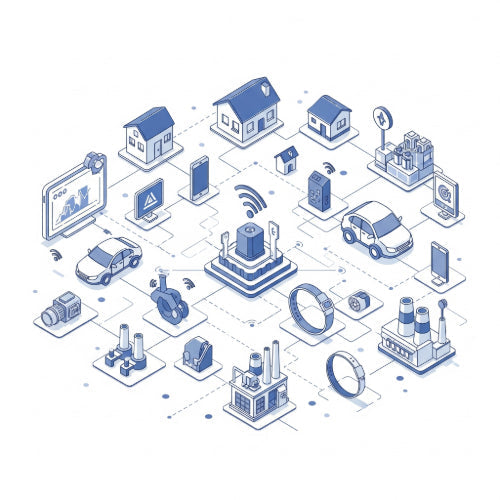
The Intelligent Office: How IoT is Revolutionizing Our Furniture
For centuries, office furniture served a simple purpose: to provide a place to sit, work, and store essentials. Desks were solid, chairs were stationary, and filing cabinets held paper. But in the age of connectivity, even these seemingly static objects are being infused with intelligence, fundamentally changing how we interact with our workspaces. The Internet of Things (IoT) is ushering in an era of "smart furniture," transforming the office into a more responsive, efficient, and user-centric environment.
So, what does an IoT-enabled office chair or desk actually do? It's about embedding sensors and connectivity into everyday items, allowing them to collect data, communicate with other devices, and even adapt to our needs.
Here's how IoT is reshaping the way we use office furniture:
1. Elevating Ergonomics and Wellness: No more guessing if your chair is set correctly or if you've been sitting too long.
- Smart Desks: IoT-enabled standing desks can prompt users to alternate between sitting and standing throughout the day, track standing time, and even remember preferred height settings. Some can integrate with personal fitness trackers to nudge you towards healthier habits.
- Intelligent Chairs: Chairs equipped with sensors can analyze posture, providing real-time feedback and suggesting adjustments to reduce strain and promote better spinal alignment. This moves beyond a generic ergonomic design to truly personalized comfort and health support.
2. Optimizing Space and Resource Management: Understanding how space is used is crucial for modern businesses.
- Occupancy Sensors: Chairs, desks, and tables can have embedded sensors that detect occupancy. This data is invaluable for facilities managers to understand peak usage times, identify underutilized areas, and optimize office layouts. It can also help with "hot-desking" by showing available workstations in real-time.
- Automated Room Booking: Conference tables and meeting pods can automatically update their availability status in a centralized booking system, reducing conflicts and making it easier to find an open space.
3. Enhancing Personalization and Comfort: Your furniture can now adapt to you.
- Personalized Settings: Beyond desk height, smart furniture can integrate with individual profiles, adjusting ambient lighting zones, temperature in localized areas, or even the firmness of a chair based on a user's preferences upon arrival at a workstation.
- Seamless Connectivity: Integrated wireless charging pads in desks and tables eliminate cable clutter, ensuring devices are always powered up and ready for use.
4. Boosting Efficiency and Management: IoT furniture can simplify operations and maintenance.
- Asset Tracking: Knowing the exact location and usage of valuable assets like specialized furniture or mobile collaboration tools becomes effortless through embedded IoT tags.
- Predictive Maintenance: Sensors can monitor the wear and tear on furniture components, alerting facilities teams to potential issues before they become major problems, extending the lifespan of assets.
- Automated Environmental Control: Furniture can communicate with building management systems, adjusting HVAC or lighting based on occupancy, further contributing to energy efficiency.
5. Fostering Smarter Collaboration: The lines between furniture and technology are blurring.
- Interactive Tables: Touch-enabled surfaces allow for collaborative brainstorming, content sharing, and presentations directly on the table, making meetings more dynamic and engaging.
- Integrated AV: Seamless integration of microphones, speakers, and displays directly into meeting tables or media units streamlines video conferencing and multimedia presentations.
The Road Ahead: While the initial investment in smart furniture might be higher, the long-term benefits in terms of employee well-being, operational efficiency, and spatial optimization are significant. Data privacy and cybersecurity will remain critical considerations as more objects become connected.
The office of the future isn't just about flexible spaces; it's about responsive, intelligent environments where the furniture itself contributes to a more productive, comfortable, and sustainable workday. The once static desk is now a dynamic partner in our daily tasks, ready to adapt and assist, ushering in an exciting new chapter for workplace design.