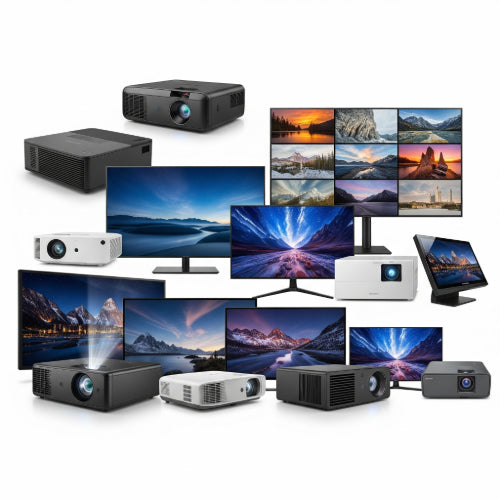
The Smart View: How AI is Revolutionizing Projectors and Displays
For decades, projectors and displays have been essential tools in our homes, offices, and public spaces. They've evolved from bulky CRTs to sleek, high-definition flatscreens and ultra-bright projectors. But a new era is dawning, one where these visual workhorses are no longer just passive output devices. Thanks to the integration of Artificial Intelligence (AI), projectors and displays are becoming smarter, more efficient, and incredibly intuitive.
This isn't just about incremental improvements; it's a fundamental shift in how we interact with and benefit from visual technology.
What Makes a Projector or Display "AI-Driven"?
At its core, an AI-driven projector or display utilizes intelligent algorithms to understand its environment, analyze content, and adapt its performance in real-time. Here's a glimpse of what that entails:
- Environmental Awareness: AI sensors can detect ambient light conditions, allowing the device to automatically adjust brightness and contrast for optimal viewing, whether in a dimly lit boardroom or a sun-drenched living room. No more squinting or fiddling with settings!
- Intelligent Content Optimization: Imagine a display that recognizes whether you're watching a vibrant nature documentary, a text-heavy presentation, or a fast-paced action movie. AI can instantly optimize color accuracy, sharpness, and motion smoothness to suit the specific content, ensuring the best possible visual experience every time.
- Predictive Maintenance and Longevity: AI can monitor the device's performance, lamp life, and internal temperatures, predicting potential issues before they arise. This not only prevents inconvenient breakdowns but can also extend the lifespan of the hardware.
- Enhanced User Interaction: Voice commands, gesture control, and even personalized user profiles are becoming standard. AI can learn your preferences, automatically switching inputs or adjusting settings based on who is using the device or what they typically watch.
- Adaptive Projection: Beyond just brightness, AI in projectors can analyze the projection surface, automatically correcting for keystone distortion, uneven walls, or even projecting onto curved surfaces with perfect clarity.
The Benefits Are Clear and Bright
The integration of AI brings a host of advantages:
- Superior Visual Quality: Consistently deliver stunning images with optimal brightness, contrast, and color accuracy, regardless of the environment or content.
- Effortless Operation: Say goodbye to manual adjustments. AI automates many settings, making these devices easier and more intuitive to use for everyone.
- Energy Efficiency: By intelligently adjusting brightness and power consumption based on real-time needs, AI-driven displays and projectors can significantly reduce energy usage.
- Boosted Productivity in Business: In meeting rooms, AI-powered interactive displays can facilitate smarter collaboration with features like automatic whiteboarding, intelligent camera framing for video conferences, and seamless content sharing.
- Personalized Entertainment: Your home theater can adapt to your viewing habits, lighting, and even sound preferences, creating a truly bespoke entertainment experience.
Where Are We Seeing This Rise?
AI-driven projectors and displays are rapidly becoming mainstream across various sectors:
- Corporate Boardrooms & Education: Smart whiteboards, interactive displays, and intelligent projectors that simplify presentations and foster dynamic collaboration.
- Home Entertainment: Adaptive TVs and projectors that deliver cinema-quality visuals tailored to your living space.
- Digital Signage: Dynamic displays in retail, hospitality, and public spaces that can adjust content based on audience demographics, time of day, or even weather conditions.
The Future is Bright (and Smart)
The journey of AI in visual technology is just beginning. We can anticipate even deeper integration, with devices that can anticipate our needs, seamlessly integrate with the broader smart home or office ecosystem, and offer increasingly sophisticated interactive experiences. From hyper-personalized content delivery to entirely new forms of visual communication, AI is not just changing how our projectors and displays work; it's changing how we see the world.